Thinking about trading city pace for Hill Country space? Boerne often lands on that shortlist because it offers a small-town setting with direct access to San Antonio, plus a lifestyle built around downtown charm, trails, parks, and a growing housing mix. Before you make the move, it helps to understand how Boerne lives day to day, what kinds of homes you will find, and which practical details can affect your budget and long-term fit. Let’s dive in.
Why Boerne draws buyers
Boerne sits about 25 miles northwest of San Antonio with direct access to Interstate 10, which gives you a realistic connection to the metro while still feeling separate from it. The city describes San Antonio as roughly 25 minutes away, and the About the Community page also notes Austin is about 90 minutes away.
That balance is a big part of Boerne’s appeal. You get a smaller community feel, historic character, and easy access to outdoor recreation, while still keeping major employers, shopping, and airport access within reach through the larger San Antonio market.
Boerne is also growing. The city’s 2024 Census estimate is 22,712 residents, up from 17,850 in 2020, according to the city’s community profile. For you as a buyer, that growth matters because it can support demand, but it also means choosing the right location, lot type, and property condition matters even more.
What daily life feels like
If you are picturing a place where you can spend a Saturday downtown, hit a trail, and still make a practical drive into San Antonio, Boerne checks that box. The local lifestyle is one of the clearest reasons people move here.
Downtown Boerne and Hill Country Mile
Downtown Boerne centers on the Hill Country Mile, which highlights more than 80 shops and restaurants along with galleries, craft breweries, and historic buildings. This area gives Boerne a walkable, local-business feel that many buyers want when they say they are looking for charm, not just square footage.
For some buyers, being close to Main Street matters more than having a larger lot. If you want easy access to restaurants, coffee shops, boutiques, and community events, living near downtown may feel like the better lifestyle match.
Parks, trails, and outdoor access
Boerne’s outdoor options are not just scenic extras. They are part of how many residents use the city week to week.
The Cibolo Center for Conservation includes 100 acres of Hill Country trails, wildlife viewing, and the Saturday farmers market at Herff Farm. River Road Park follows Cibolo Creek and connects to the Cibolo Trail, while Old No. 9 Trail is a fully paved 1.4-mile trail through town.
If water access is part of your routine, Boerne City Lake Park offers swimming, fishing, kayaking, disc golf, playgrounds, and picnic areas. For larger day trips, Guadalupe River State Park is about 13 miles east of Boerne, which keeps river recreation close enough to be part of normal life rather than a rare event.
Dining and brewery scene
Boerne has built a strong identity around food, local gathering spots, and craft beer. The city says it was designated Texas’s first Brew City by the Texas Craft Brewers Guild, and its official brewery page lists six breweries, including Cibolo Creek Brewing, Dodging Duck, Free Roam, Hamby’s, 28 Songs, and Tusculum.
That does not mean every part of Boerne feels busy or urban. It means you have more built-in local options than many small towns of similar size, which can be a real quality-of-life advantage if you want activity without a full metro pace.
What to know about the commute
One of the most common questions buyers ask is whether Boerne is actually close enough to San Antonio for normal commuting or frequent errand runs. Based on the city’s own materials, it is.
The city places San Antonio about 25 to 30 minutes away, with direct Interstate 10 access making trips more manageable than they might look on a map. That said, your experience will still depend on where in Boerne you live, where in San Antonio you work, and what time of day you are driving.
For many buyers, the right question is not just, “Can I commute?” It is, “How often do I want to commute?” If you need daily metro access, location inside Boerne becomes more important. If you work remotely or only head into San Antonio a few times a week, you may have more flexibility to prioritize land, views, or newer construction.
Boerne housing is not one-size-fits-all
Boerne’s housing stock is one of the biggest reasons buyers should do a little more homework before making an offer. This is not a market where every neighborhood follows the same pattern.
The city reports a 64.5% owner-occupied rate and a median owner-occupied home value of $457,900 on its community page. But that only tells part of the story. What really affects your experience is whether you choose a historic home, an infill property, or a newer home on a larger Hill Country-style lot.
Historic district homes
Boerne’s Historic District was established in 1985, runs along Main Street, and includes more than 150 properties. If you are drawn to older homes and classic architecture, this part of the market may be appealing.
But charm usually comes with more due diligence. The historic overlay adds planning, zoning, and design requirements intended to keep exterior changes consistent with the district’s historic character. In practical terms, that means you should confirm whether the property is inside the district and what that could mean for future repairs, updates, or additions.
Heritage Corridor and larger-lot patterns
Boerne also has areas shaped by the city’s development rules for preserving Hill Country design and natural landscape. According to the city’s Unified Development Code, the Heritage Corridor Overlay District allows single-family detached homes by right on lots of at least 1 acre, sets a minimum lot area of 1/2 acre, and uses conservation subdivision concepts to preserve open space near creeks, parks, and natural areas.
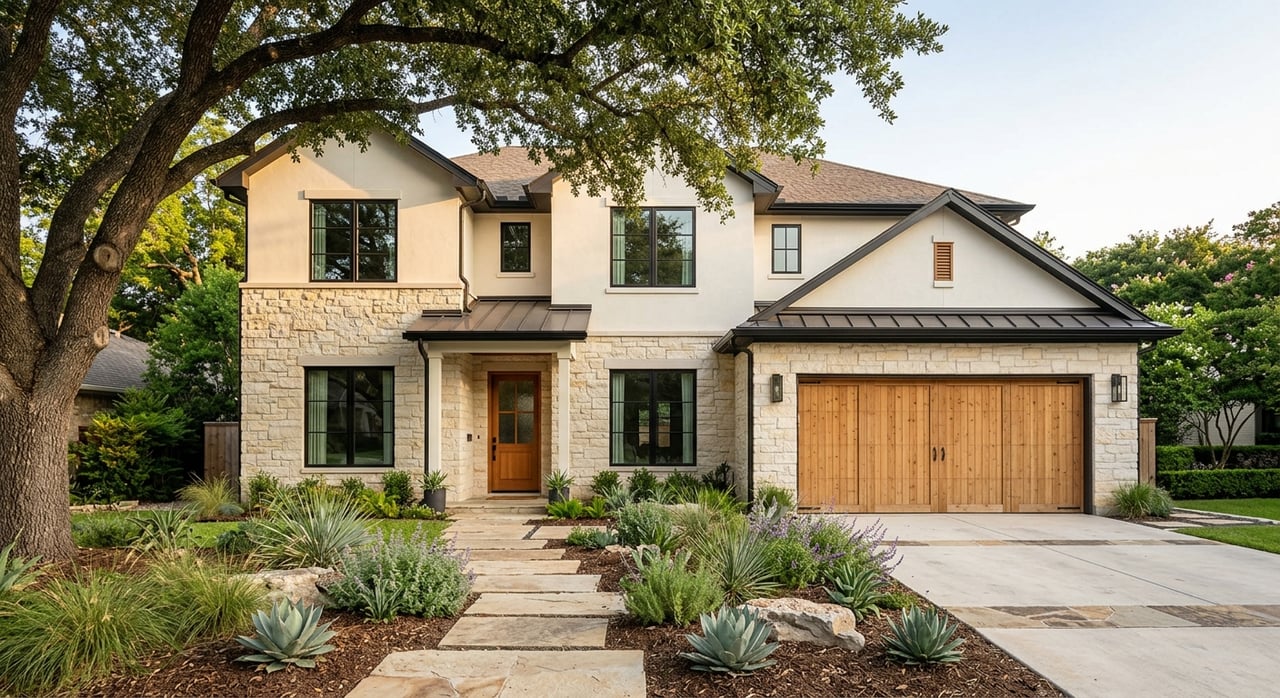
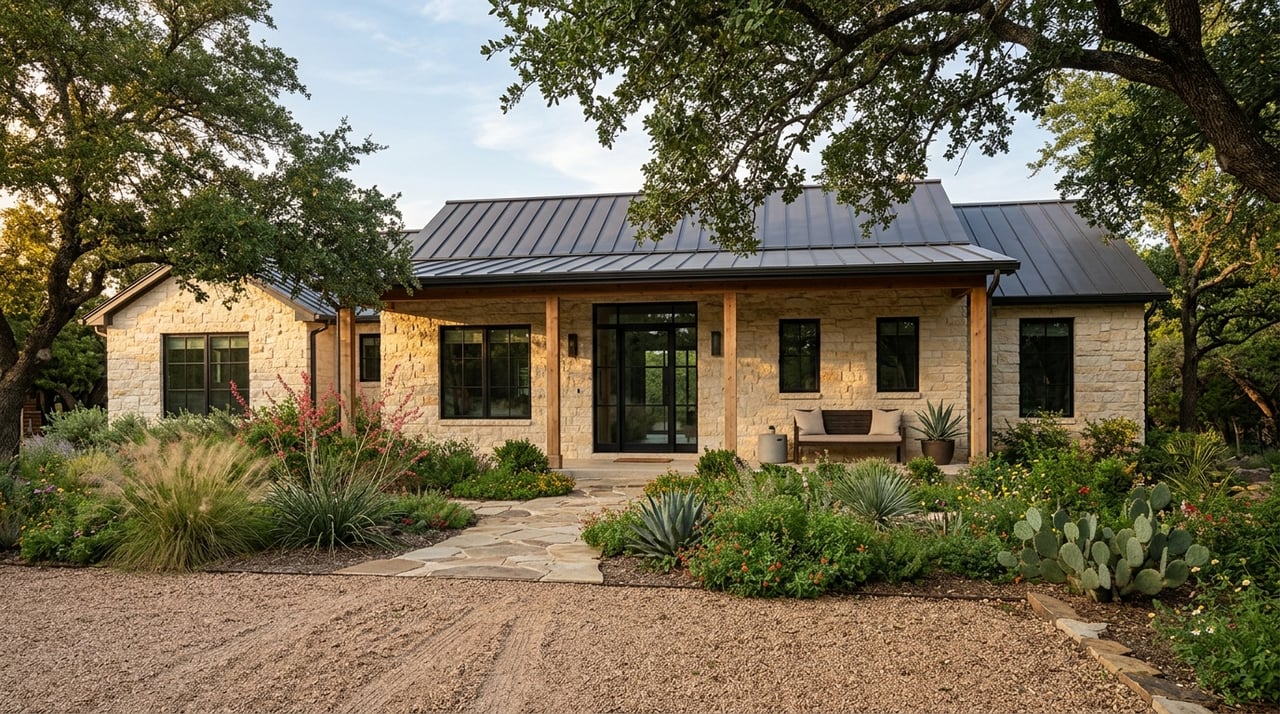
For you, that often translates into a different feel from downtown or infill housing. You may find more land, more separation between homes, and neighborhoods designed around open space rather than a traditional grid.
Why lot size changes your decision
A larger lot can sound like an automatic upgrade, but it changes your ownership experience. More land can give you privacy, flexibility, and a stronger Hill Country feel, but it may also bring more upkeep and a different relationship to shops, restaurants, and trails.
If walkability is your top priority, a home closer to Main Street may fit better. If your goal is more elbow room and a quieter setting, larger-lot areas may make more sense. The right choice depends less on what sounds ideal and more on how you actually want to live week to week.
Older home or newer home?
In Boerne, this question matters because home age can affect both maintenance and flexibility. Older homes may offer character and location, especially near downtown, but they can come with more immediate upkeep needs.
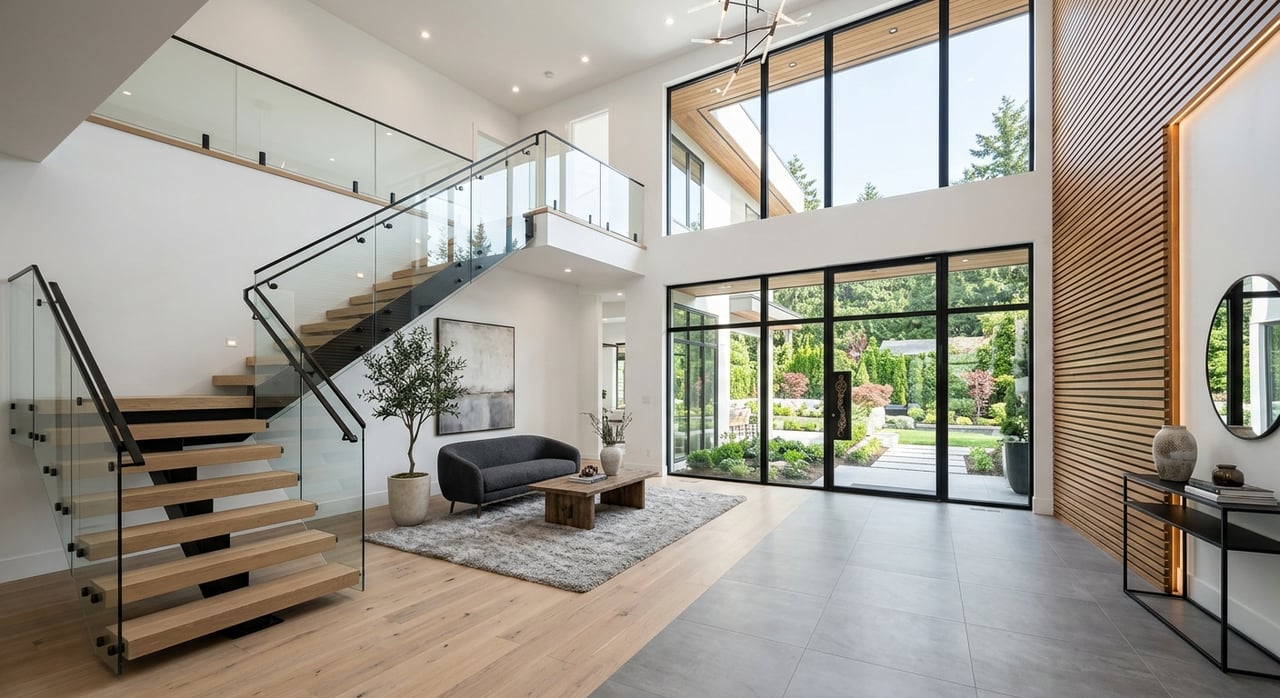
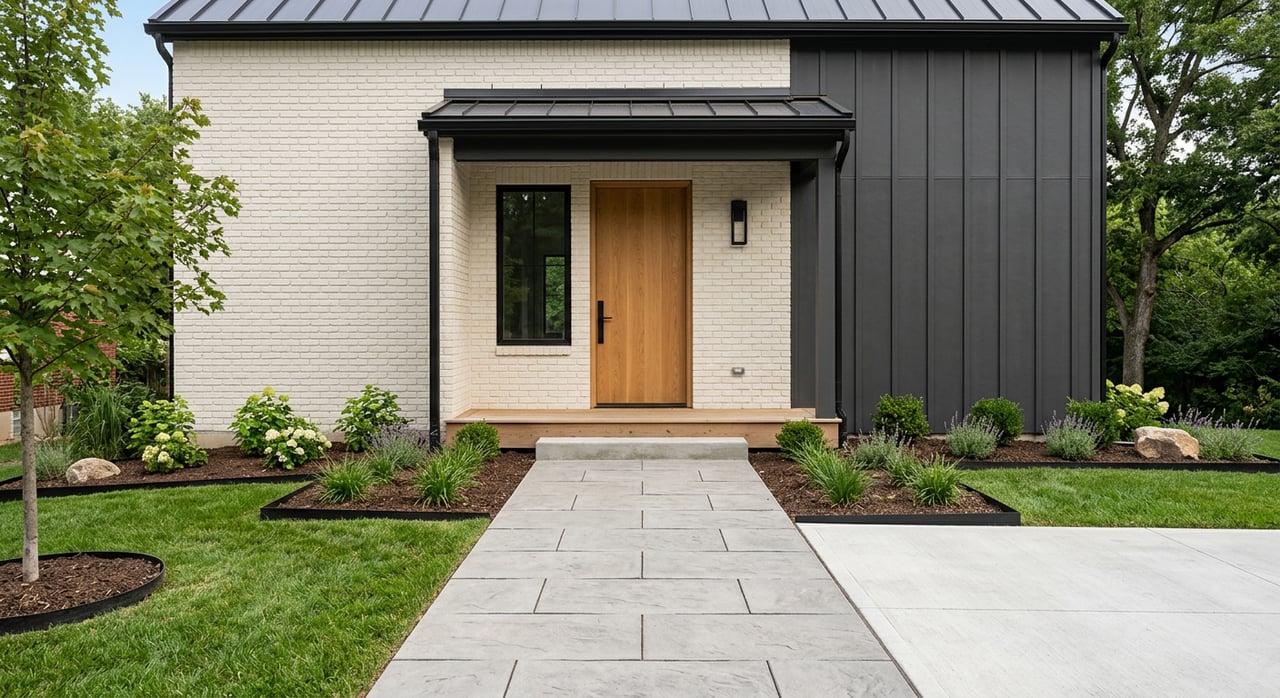
Newer homes may reduce short-term maintenance, but the tradeoff may be a different lot pattern, location, or neighborhood feel. Boerne’s housing mix varies enough that you should compare homes based on more than finish level alone.
The local climate also matters. Boerne reports 228 sunny days per year, about 34.3 inches of annual rain, 0.9 inches of snowfall, and an average July high of 93 degrees on its About Boerne page. Warm, sunny, relatively dry conditions can increase wear over time, so buyers should budget for upkeep with that environment in mind.
If a home is in the historic district, exterior work may also involve additional review requirements. That is why contract terms, inspection planning, and property-specific due diligence matter so much here. A home that looks like a lifestyle fit still needs to work as a practical ownership decision.
Key questions to ask before you buy
Before you move to Boerne, it helps to slow the process down and ask a few specific questions about any property you are considering.
Confirm the property setting
Ask whether the home is inside the Historic District or the Heritage Corridor Overlay. That one detail can affect exterior changes, lot expectations, and your overall ownership experience.
Understand the lot and neighborhood rules
Do not assume lot size tells the full story. Ask how much usable land you have, whether there is an HOA, and whether any community or overlay rules affect how you can use or improve the property.
Match the home to your real lifestyle
Think about what you will actually do most weeks. If you want to walk downtown, grab coffee, and stay close to local shops and dining, Main Street proximity may matter more than extra acreage.
If you want space, privacy, and a more spread-out Hill Country setting, larger lots may be worth the tradeoff. There is no universal right answer, but there is usually a better answer for your routine.
Budget for ownership, not just closing
Your real cost is not just the purchase price. It is the purchase price plus maintenance, travel habits, possible rule compliance, and any updates needed to make the property work for you.
That is especially true in a market like Boerne, where two homes with a similar price point can offer very different ownership experiences. Looking closely at condition, restrictions, and setting upfront can help you avoid expensive surprises later.
Why strategy matters in Boerne
Boerne can be a great fit if you want Hill Country character with metro access, but the best move usually comes from choosing the right kind of property, not just the right city. Historic overlays, lot patterns, maintenance expectations, and commute habits can all shape whether a home feels easy to own once the excitement of moving wears off.
That is where a strategy-first approach helps. When you evaluate not just price and finishes, but also restrictions, upkeep, and long-term fit, you put yourself in a stronger position to buy with clarity and confidence.
If you are weighing a move to Boerne and want help comparing neighborhoods, lot types, and contract details, connect with Keeping It Realty for a clear, protective approach to your next move.
FAQs
How far is Boerne from San Antonio for a normal commute?
- Boerne is about 25 to 30 minutes from San Antonio according to the city, with direct Interstate 10 access making commuting and regular trips realistic for many buyers.
What should buyers know about Boerne historic district homes?
- Homes in Boerne’s Historic District may be subject to planning, zoning, and design requirements for exterior changes, so you should confirm whether a property is inside the district before buying.
How much land do homes in Boerne usually have?
- Lot size can vary widely in Boerne, from tighter historic or infill settings to larger Hill Country parcels and conservation-style subdivisions, so it is important to verify the specific property rather than assume a standard pattern.
What is the lifestyle difference between downtown Boerne and larger-lot areas?
- Downtown Boerne offers closer access to Hill Country Mile shops, restaurants, and walkable local amenities, while larger-lot areas often offer more space, privacy, and a stronger open-land feel.
What climate factors matter when buying a home in Boerne?
- Boerne’s hot, sunny, relatively dry climate can increase wear on homes over time, so buyers should pay attention to maintenance needs, especially when comparing older homes with newer ones.