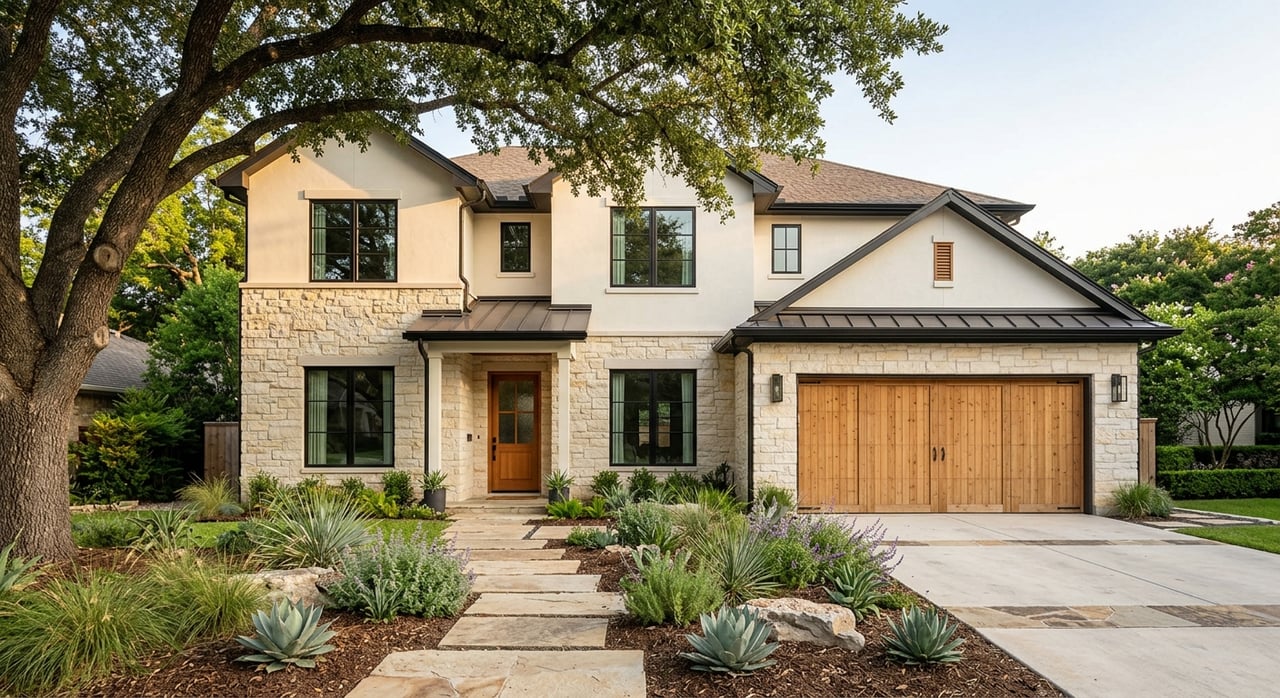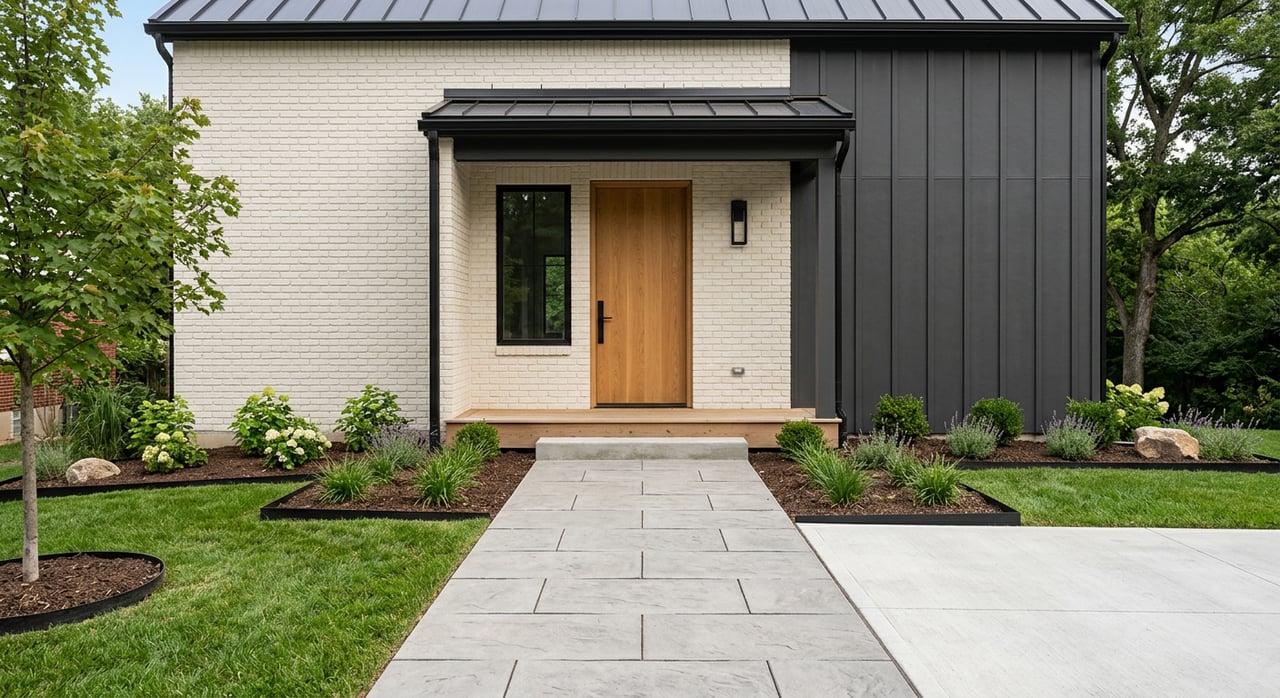
Buying brand-new in Round Rock sounds simple until you open the contract and spot terms you do not see in a typical resale. Option fees, construction documents, completion milestones, and incentive fine print all work differently with new builds. If you want the keys without costly surprises, you need to know what to sign, what to question, and when to push back. In this guide, you will learn the contract clauses to watch, how builder incentives really work, which inspections matter, and where a skilled buyer’s agent protects your leverage. Let’s dive in.
How new-construction contracts differ in Texas
Unlike resale purchases, Texas has dedicated TREC New Home contracts designed for completed or in-progress builds. These forms include construction plans and specs, a buyer selections schedule, a definition of substantial completion, and required notices like insulation. You can review the official list of promulgated contracts at the TREC contracts page.
Some Round Rock builders do not use the TREC forms. They use their own proprietary contracts or addenda. TREC rules allow this when the seller or their attorney provides a different form, but builder-drafted contracts often shift more risk to you with shorter option periods, larger or nonrefundable deposits, and narrower remedies. Use the TREC New Home forms as your baseline to compare any builder document.
Round Rock’s permitting and inspection steps also show up in your contract timeline. The city issues permits, inspects work, and can grant a Temporary Certificate of Occupancy (TCO). Many contracts tie substantial completion and closing to final city approvals. You can learn more about local permitting and development FAQs on the City of Round Rock site.
Clauses that matter most in Round Rock builds
Contract form and scope
If you are using the TREC New Home Contract (Incomplete), the agreement folds in your Construction Documents, buyer selections, a definition of substantial completion tied to final approvals, and statutory notices. These exhibits control what actually gets built and when you can close. See the current TREC form language in the New Home Contract (Incomplete) PDF.
Earnest money and option fee
On TREC New Home contracts, you deliver an Option Fee and Earnest Money to the named escrow agent by a stated deadline, commonly within three days after the effective date unless changed in writing. The form and its instructions are detailed in the New Home Contract (Incomplete). TREC guidance also expects timely deposit handling and sets a short timeframe standard for brokers to place funds with the escrow agent. Review the Commission’s earnest money FAQ and make sure your contract clearly names the title company or escrow agent.
Option period and inspections
TREC’s option paragraph gives you a short, paid termination right. If you end the contract during the option period, you typically receive your earnest money back under the form terms. Some builder contracts shorten or narrow this right, raise the fee, or limit inspection remedies. Compare the exact option and inspection clauses to the TREC language before you sign.
The TREC form allows reasonable access for you and your licensed inspectors. Builders may coordinate phased inspections, and some proprietary forms try to restrict independent inspections or require attendance by a builder rep. Preserve your right to independent phased inspections in writing.
Completion, closing, and occupancy
The TREC New Home form ties substantial completion to final government inspection and approval, and it lists a target completion date plus standard delay language. Builders often have the right to extend for weather, supply shortages, or other delays. Watch for caps on extensions and what remedies you have if delays stack up. You will find the mechanics in the TREC form.
Round Rock’s final inspection and TCO steps affect when you can legally occupy. Contracts may allow closing before a full Certificate of Occupancy in limited cases, so clarify the local policy and what must be delivered at closing. The city explains permitting and inspections on the Building Inspection page.
Upgrades and change orders
Design-center choices and structural options are captured as buyer selections and may require separate deposits. Contracts often let builders substitute comparable items if supply issues arise. Change orders are a major source of cost creep, so require written approvals and confirm who bears escalation risk. The selection and substitution mechanics appear in the TREC form.
Warranties and claims
Most new homes are covered by a tiered “1–2–10” style warranty: one year for workmanship and materials, two years for distribution systems, and ten years for structural coverage. Many builders enroll with third-party programs. Ask how claims work, what transfers to a future buyer, and what you receive at closing. For a clear overview of standard coverage, see the 2-10 Home Buyers Warranty explanation.
Dispute resolution and remedies
Builder contracts often limit your remedies or require arbitration. Some specify that your sole remedy for certain issues is return of the deposit, and they may exclude other damages. If delays could force you into temporary housing, discuss whether the contract allows a liquidated-damages clause or a narrow carve-out. Practitioner articles highlight that builder-friendly terms are common in Texas; see this overview of builder contracts. If you have concerns about remedies or arbitration, consult a Texas real estate attorney before signing.
Builder incentives in Round Rock
What you will see
Common incentives include closing-cost credits, design-center allowances, price discounts, interest-rate buydowns like 2-1 programs, and extended rate locks. Many offers are packaged and tied to using a preferred lender or title company. Title professionals outline how these incentives typically show up at closing in this new construction closing overview.
Preferred lender and title rules
Federal RESPA rules allow affiliated business arrangements if the relationship is disclosed and you are not required to use that provider. In practice, builders can condition incentives on preferred providers, but they cannot make the affiliate mandatory for the purchase itself in transactions covered by RESPA. Request the Affiliated Business Arrangement disclosure if a builder refers you to a related lender or title company. You can review the rule at the CFPB’s Regulation X, section 1024.15.
Do the math on the incentive
A $10,000 credit can disappear if the preferred lender’s rate or fees are higher. Always compare net cost: rate, points, lender fees, and the builder credit, side by side with at least one outside lender. Rate buydowns are funded up front and reduce payments for a set period, which can be helpful early on, but compare lifetime cost. See a practical explainer on builder financing and buydown mechanics here.
Paperwork to request
Ask for the AfBA disclosure when affiliates are involved and an itemized breakdown showing exactly how the incentive appears on your Closing Disclosure. Title pros recommend testing both scenarios, preferred lender versus your own, to confirm the incentive is real. For context on why this matters, review this title-company explainer for new construction.
Inspections and city approvals
Best-practice phased inspections
Independent phased inspections catch issues when they are easiest to fix. Most buyers schedule four touchpoints: pre-pour foundation, pre-drywall, final new-home inspection before closing, and an 11-month warranty walk to capture items within the first-year coverage. New-construction specialists outline the value of these phases in this inspection guide.
Round Rock permits and TCO
The City of Round Rock’s Building Inspections Division manages permits and inspections through to occupancy. Final approvals or a TCO often tie directly to your contract’s substantial completion language and your ability to move in. Confirm with your builder when city paperwork will be delivered and what will be provided at closing. Learn more on the city’s Building Inspection page.
Where a skilled buyer’s agent protects you
Contract selection and review
Your agent should confirm whether the builder is using a TREC New Home form or a proprietary contract, then compare key paragraphs line by line: earnest and option timing, inspection access, completion and delay language, and remedies. Start with the TREC contracts index as your baseline.
Escrow placement
Large sums should sit with a named title company or escrow agent, not a sales office desk. TREC rules expect prompt deposits and clear instructions. See the Commission’s earnest money FAQ and make sure the settlement agent is identified in the contract.
Inspection scheduling and deadlines
Your agent should coordinate phased inspections, attend the builder’s punch walk, and track every deadline in the contract, from the option period to selection cutoffs. The TREC form outlines delivery timelines that protect your rights when managed well.
Incentive arithmetic and AfBA disclosure
A good agent will insist on the AfBA disclosure for preferred providers and a sample Closing Disclosure from the builder’s lender. Then you can run an apples-to-apples comparison against an outside lender and avoid surprise fees. Review the governing rule at the CFPB’s RESPA section.
Title and HOA documents
Your agent should confirm the title company, request the Title Commitment early, and obtain HOA documents and restrictions. The TREC New Home form sets expectations for delivery and objection timelines that keep your closing on track.
A simple checklist
Before signing
- Confirm the contract form: TREC New Home vs. proprietary builder form. Use the TREC contracts page as your reference.
- Note exact deadlines for Option Fee, Option Period, and earnest-money delivery, and confirm who holds funds. See the timing and delivery concepts in the TREC New Home form.
- Ask for the Affiliated Business Arrangement disclosure if a preferred lender or title company is referenced, and request a sample Closing Disclosure showing incentive math. The governing rule is at the CFPB site.
- Get a written milestone schedule for substantial completion, closing, and CO or TCO targets, and check for uncapped builder extensions. The definitions and delay language are in the TREC form.
While under construction
- Schedule phased inspections: pre-pour, pre-drywall, and final. Use a new-construction specialist. See this phased inspection guide.
- Keep change orders in writing, track deposits, and confirm how substitutions are handled. Refer back to your TREC form’s selection language.
- Monitor title commitments, HOA documents, and Round Rock approvals like permits and TCO. The city’s process is explained on the Building Inspection page.
Before and at closing
- Verify the Closing Disclosure, reconcile builder credits and any buydown escrow, and compare net cost to an outside lender. For mechanics, review this builder-financing explainer.
- Confirm assignment of builder and manufacturer warranties, and get the warranty packet. See the standard structure in the 2-10 warranty overview.
After closing
- Set your 11-month warranty walk to capture first-year items while coverage applies. The 2-10 overview explains typical timelines.
Final thoughts
Buying new construction in Round Rock should feel exciting, not risky. If you anchor your deal to the TREC New Home forms, protect your independent inspection rights, verify city approvals, and run honest math on incentives, you can move in with confidence. If a builder proposes proprietary paperwork, slow down and compare it line by line to the TREC baseline. When remedies or arbitration appear, a quick consult with a Texas real estate attorney can pay off.
If you want a strategic, contract-first partner on your side, connect with Keeping It Realty. We will help you secure the home you want and protect the terms you need.
FAQs
What is the TREC New Home Contract and how is it different from resale forms?
- Texas publishes specific New Home contracts that include construction documents, buyer selections, completion definitions, and required notices, unlike the standard resale contract. Review them on the TREC contracts page.
How do Round Rock permits and TCO affect my closing or move-in date?
- Contracts often tie substantial completion and occupancy to final city approvals or a Temporary Certificate of Occupancy, so your timeline depends on those municipal inspections; see the city’s Building Inspection page.
Are builder incentives allowed only if I use the preferred lender or title company?
- Builders often condition incentives on preferred providers, but under RESPA they cannot require you to use an affiliate for the purchase itself; request the AfBA disclosure and compare net cost as explained by the CFPB.
Which inspections should I schedule for a new build in Round Rock?
- Best practice is phased inspections: pre-pour, pre-drywall, final before closing, plus an 11-month warranty walk; see this phased inspection guide.
How are new-home warranties typically structured in Texas?
- Most builders provide tiered coverage commonly described as 1–2–10: one year for workmanship/materials, two for systems, and ten for structural; see the 2-10 warranty overview.