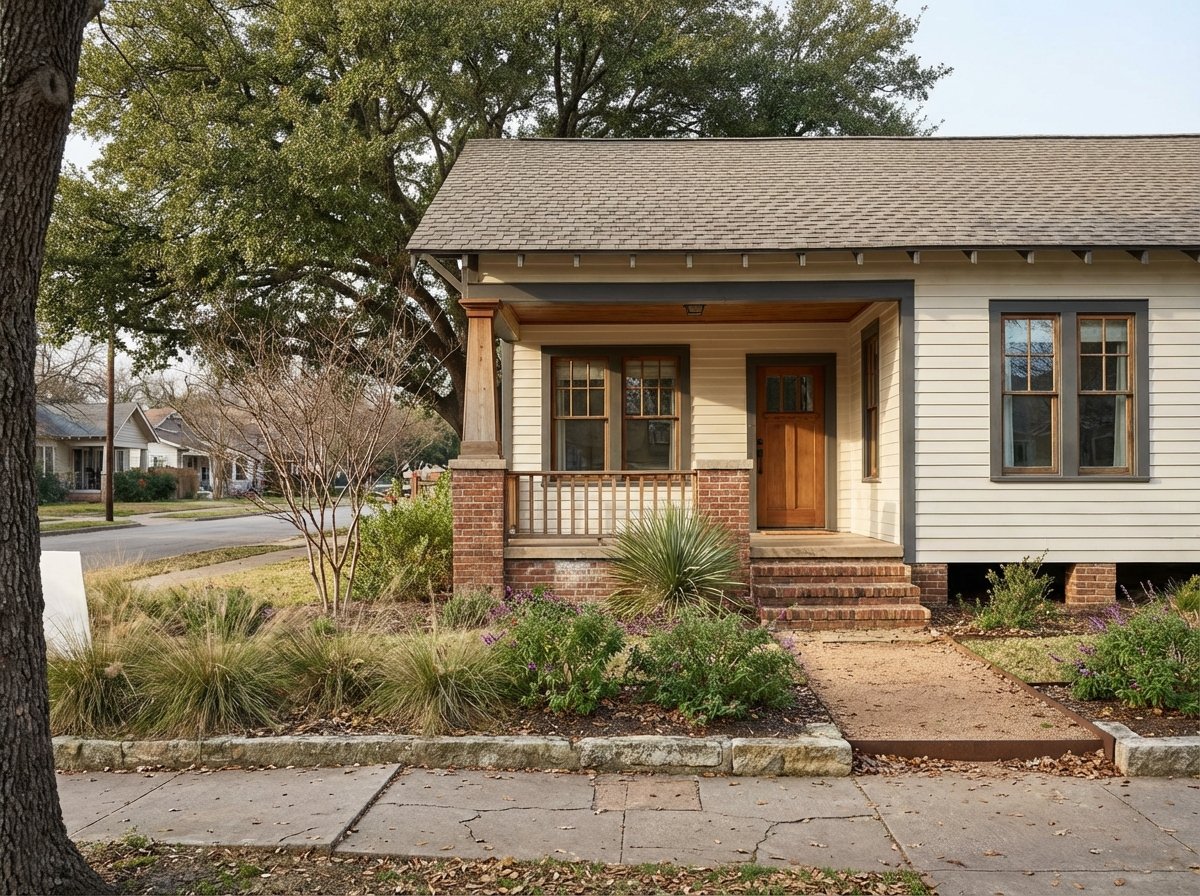
Want a quiet, tree-lined street minutes from UT and downtown, with a corner grocery that has served neighbors since 1909? If you are weighing a move to Austin and want in-town charm without giving up daily convenience, Hyde Park belongs on your list. In this guide, you will learn what it feels like to live here, the homes you will find, realistic prices and rents, and what to check before you buy or lease. Let’s dive in.
Where Hyde Park sits
Hyde Park is one of Austin’s oldest neighborhoods, just north of the University of Texas. The historic core lies roughly between 38th and 45th Streets and Guadalupe to Duval, with a larger planning area that extends a bit farther north. You will see compact blocks, sidewalks, and a mature tree canopy that frames its classic cottages and bungalows. Get a quick neighborhood overview from the local association’s profile of the area in the Hyde Park overview.
Daily life here leans low-car. Walk and bike scores are high, which means many errands, cafés, and shops are an easy stroll. Hyde Park’s Walk Score page frequently shows walkability in the high 70s and bikeability in the 80–90s, so you can plan on frequent trips by foot or bike.
History and architecture
Hyde Park began in 1891 as an early electric streetcar suburb, and that history shows on nearly every block. Early homes followed Queen Anne and Classical Revival styles, while the 1920s–1930s brought a wave of Craftsman and bungalow construction. The City of Austin identifies a broad period of significance from about 1892 to 1960, which explains the prevalence of front porches, modest lots, and 1–2 story homes throughout the area. You can learn more on the City’s historic districts page.
Parts of Hyde Park carry a Local Historic District overlay, adopted by City Council in 2010. Inside the district, exterior changes to contributing homes are reviewed under a Preservation Plan and Design Standards, and demolitions face strict scrutiny. If you plan to renovate, budget time for approvals and design compliance, and confirm whether a given address is contributing or non-contributing. Start with the neighborhood’s Hyde Park Historic District resource.
Homes you will find
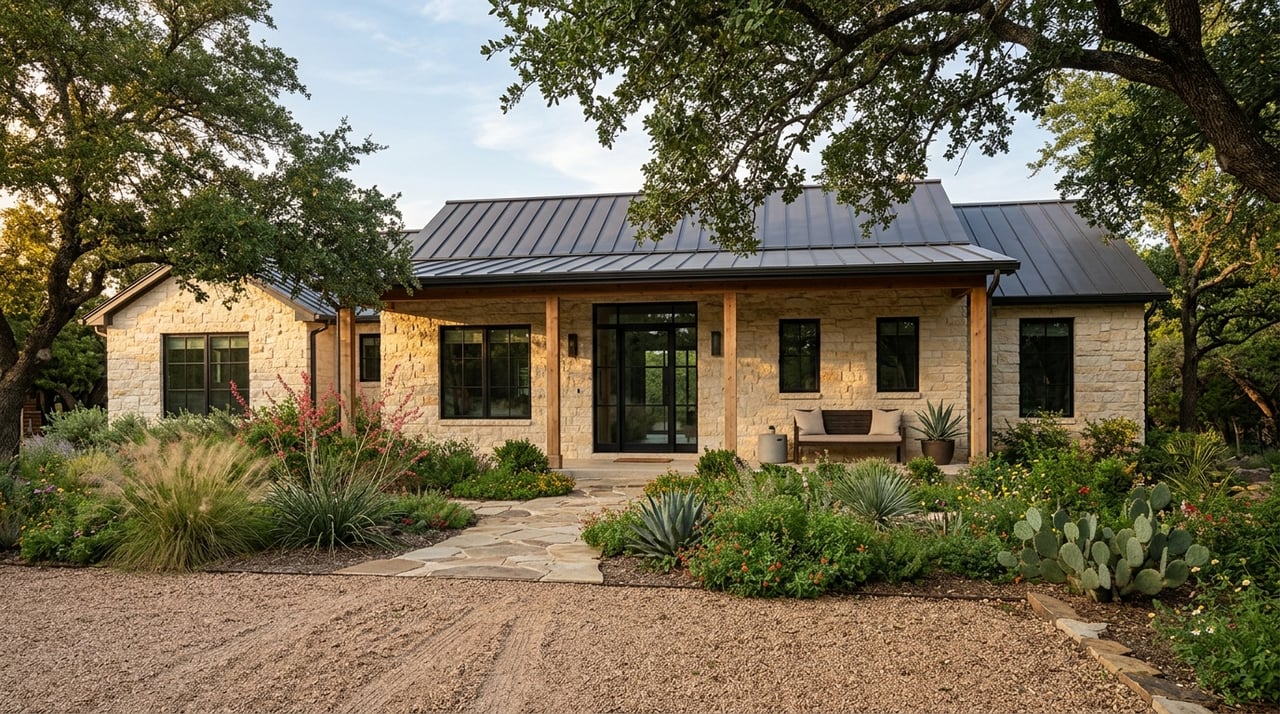
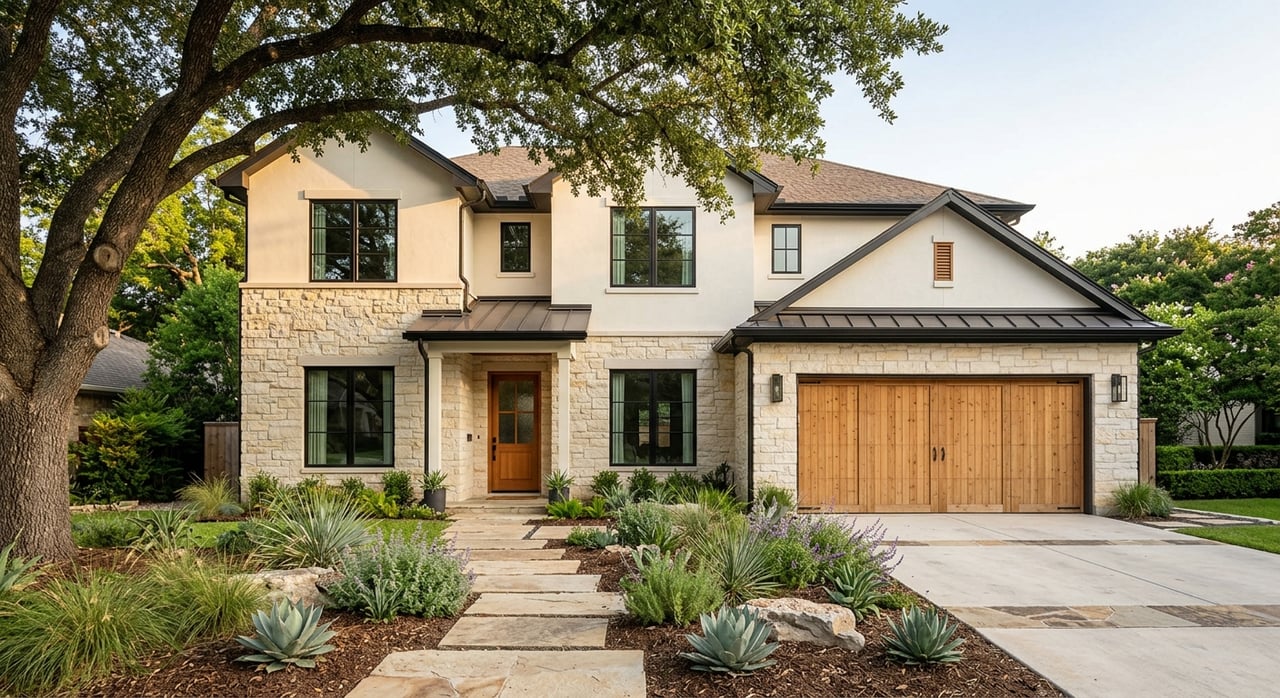
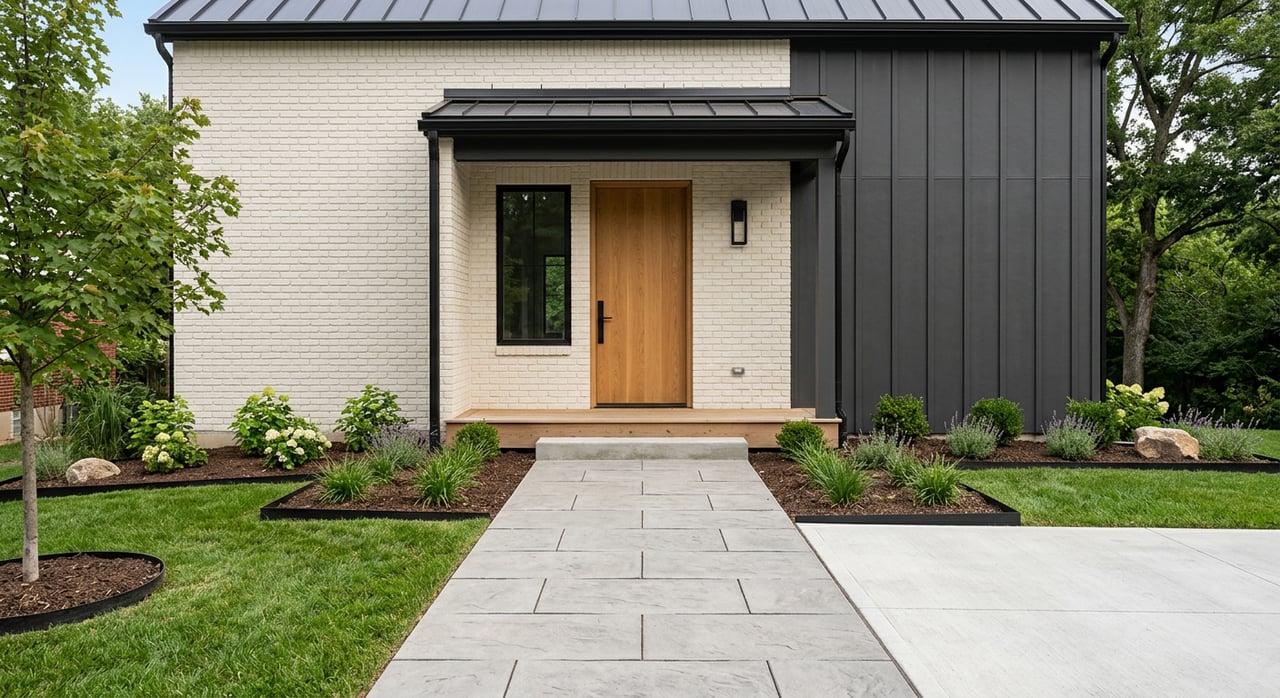
You will see a wide mix of late-19th- to mid-20th-century wood-frame houses. That includes a handful of Queen Anne or Victorian survivors, many Craftsman bungalows and cottages from the 1920s–1930s, and modest duplexes or small apartment buildings. Some lots now feature contemporary infill or townhomes where older structures were removed.
Lots tend to be compact compared with suburban Austin. Many original bungalows are about 1,000 to 1,800 square feet. On the same block, you may also see fully rebuilt homes that stretch to 2,500–3,500+ square feet, especially on combined parcels. Expect variety from intact vintage cottages to expanded modern builds.
With older homes, plan for due diligence. Common items include HVAC modernization, plumbing and electrical updates, foundation or drainage work, and a thorough termite and pest inspection. These are typical inspection focuses for historic neighborhoods and help you budget accurately before you write an offer.
Market snapshot: prices and rents
Because different platforms use different boundaries and methods, it is best to cite both the source and the date for any figure and think in ranges rather than a single point.
- As of Jan 2026, Redfin reported a median sale price near 1,012,500 dollars for Hyde Park (Redfin, Jan 2026).
- Zillow’s neighborhood Home Value Index showed about 684,862 dollars, reflecting data through Dec 31, 2025 (Zillow ZHVI, Dec 2025).
- Realtor.com’s neighborhood view listed a median listing price around 625,000 dollars, with some lower medians inside the strictly historic core (Realtor.com, Dec 2025).
- For rentals, Zillow’s rent index was near 1,900 dollars for the broader area, while Realtor.com showed lower medians around 1,425 dollars depending on the view (Dec 2025).
Taken together, you should expect neighborhood-wide pricing to range from the mid-600s to around 1.0 million dollars depending on data source and where you search within Hyde Park. Homes have been selling more slowly than in hotter prior years, with longer days on market in recent months. If you need a current number for an offer or listing decision, ask for a fresh snapshot from the week you plan to act.
Typical price bands
- Small older bungalows or fixer-uppers: low-to-mid hundreds to mid-400s–700k range depending on condition and exact location.
- Renovated bungalows and modest single-family homes: commonly 700k to 1.2 million dollars based on lot size and upgrades.
- Substantial renovations or new construction on combined lots: typically 1 million dollars and up, sometimes much higher for large, fully rebuilt homes near the core.
Getting around, parks, and daily life
Hyde Park’s walkability is a key lifestyle draw. You can often reach groceries, cafés, and parks without starting a car. The Walk Score data for Hyde Park supports that daily convenience, and many residents bike to UT or hop a CapMetro bus along Guadalupe or Speedway.
Proximity matters here. Hyde Park sits just north of the UT campus and roughly 3–4 miles from downtown depending on your address and route. Commute times vary with traffic, but many trips to campus or central job centers are short and predictable by bike or bus.
For green space, Shipe Park anchors the neighborhood. The rebuilt and historic Shipe Pool is a seasonal favorite. Culture lovers can visit the Elisabet Ney Museum, a historic studio and arts venue. You will also find small, beloved businesses that define Hyde Park’s feel, including the long-running Avenue B Grocery and neighborhood stalwarts like Quack’s 43rd Street Bakery.
Practical tips before you buy or rent
- Confirm historic status early. If a property sits inside the Local Historic District and is a contributing structure, exterior changes usually need a Certificate of Appropriateness and must follow the Hyde Park Preservation Plan and Design Standards. Start with the Hyde Park Historic District page and verify details with the City’s Historic Preservation Office.
- Plan inspections for older systems. Budget for HVAC, plumbing, and electrical updates, and include foundation, drainage, and termite assessments in your inspection scope.
- Check parking and on-site space. Many lots are compact and older homes may have limited off-street parking. Some multi-family buildings note permit requirements. Confirm parking before you commit if you depend on a car.
- Understand infill and additions. Central Austin has seen ADUs and new builds on some lots. Hyde Park’s historic overlay and active neighborhood association help shape those projects. For background on preservation pressures and context, review this Texas Architect feature on central neighborhoods.
- Verify schools by address. Hyde Park lies within Austin ISD. Commonly cited nearby options include Lee and Ridgetop at the elementary level, with middle and high school pathways that vary by address. Always confirm current assignment with AISD’s boundary tools.
- Do a safety check by block. As in many central neighborhoods, property crime can occur. Review incident maps to understand patterns near a specific address. Tools like SpotCrime’s Hyde Park map can help you get a street-level view.
Is Hyde Park right for you?
Hyde Park could be a fit if you:
- Prefer a walkable, bike-friendly lifestyle close to UT and downtown.
- Love historic character and front-porch streetscapes.
- Want a mix of classic bungalows and tasteful infill on the same blocks.
- Are comfortable budgeting for older-home maintenance or paying a premium for turnkey renovations.
- Value active neighborhood groups and clear design standards that preserve a consistent look and feel.
If you want a large yard, plentiful garage space, or new-construction-only streets, you may prefer neighborhoods farther from the core. Hyde Park trades lot size for location and daily convenience.
Your next steps with a strategic partner
Buying in a historic, high-demand neighborhood is as much about strategy and contract terms as it is about the house. You want clear comps, a live read on price and days on market, and tight protections around inspections, repairs, and any renovation plans that need city review. An attorney-minded approach can help you move decisively while managing risk.
If you are considering Hyde Park, let’s map your search to the blocks that fit your goals, assess likely repair budgets, and align your offer terms to protect your timeline and funds. When you are ready, connect with Keeping It Realty to Schedule a Consultation and get a current market snapshot tailored to your move.
FAQs
Where is Hyde Park in Austin and what are its boundaries?
- Hyde Park sits just north of the UT campus, with a historic core often described as 38th–45th Streets and Guadalupe–Duval, and a planning area that extends a bit farther north. See the neighborhood’s about page for context.
What is the architectural style of Hyde Park homes?
- Expect a mix of Queen Anne and Classical Revival early homes and many Craftsman bungalows from the 1920s–1930s, plus later duplexes and small apartments, as outlined on the City’s historic districts page.
How much do homes cost in Hyde Park right now?
- Recent snapshots ranged from mid-600s to around 1.0 million dollars depending on source and definition (Redfin median sale price near 1,012,500 dollars in Jan 2026; Zillow ZHVI about 684,862 dollars through Dec 2025; Realtor.com median listing near 625,000 dollars in Dec 2025). Always pull a live snapshot before you act.
Are there special rules for renovating in Hyde Park?
- Yes. Parts of Hyde Park are within a Local Historic District. Exterior changes to contributing structures typically require review under the Preservation Plan and Design Standards. Start with the neighborhood’s historic district resource.
What is daily life like in Hyde Park for walkers and cyclists?
- Walk and bike scores are high, and many errands are doable on foot or by bike. CapMetro routes along Guadalupe and Speedway help with UT and downtown access. See Walk Score’s Hyde Park page for current ratings.
What parks and cultural spots are in Hyde Park?
- Shipe Park and the rebuilt Shipe Pool are neighborhood anchors, and the Elisabet Ney Museum offers history and arts programming. Longtime local businesses add daily charm.
Is parking difficult in Hyde Park?
- Many lots are compact and older homes may have limited off-street parking. Some multi-family buildings use permits. If you rely on a car, confirm on-site or permitted parking before you sign a lease or make an offer.
Which schools serve Hyde Park and how do I verify?
- Hyde Park lies within Austin ISD, with elementary, middle, and high school options that vary by exact address. Verify current school assignments using AISD’s boundary tools before you decide.